The Turning of the Travel Tides
The indignities faced by holders of African passports and others from the Global South are an oft-narrated and well-documented phenomenon. African citizens are denied visas to an unjust degree, particularly by European countries and the United States, and now the hoops of fire have been made hotter. The Trump administration recently announced U.S. visa bonds and outright bans for 75 countries, majority of them African nations. The bonds range from 5,000 to 15,000 U.S. dollars in cash, sums that are not readily accessible to most.
A clear message is being sent about how Africa as a continent is regarded on the global stage, and retaliatory bans have begun. None of this bodes well for the terms of interaction between parties housed on either side. Philanthropy as a sector cannot afford to ignore the ripple effects of these restrictive measures, especially given the risk of emulation by other countries. “This will definitely impact a lot of fundraising outcomes for many nonprofit organizations in Africa,” writes Solomon King Benge on LinkedIn. Given how donor monies are concentrated in the Global North, the geopolitical landscape of the next few years is set to be particularly complicated for fundraising.
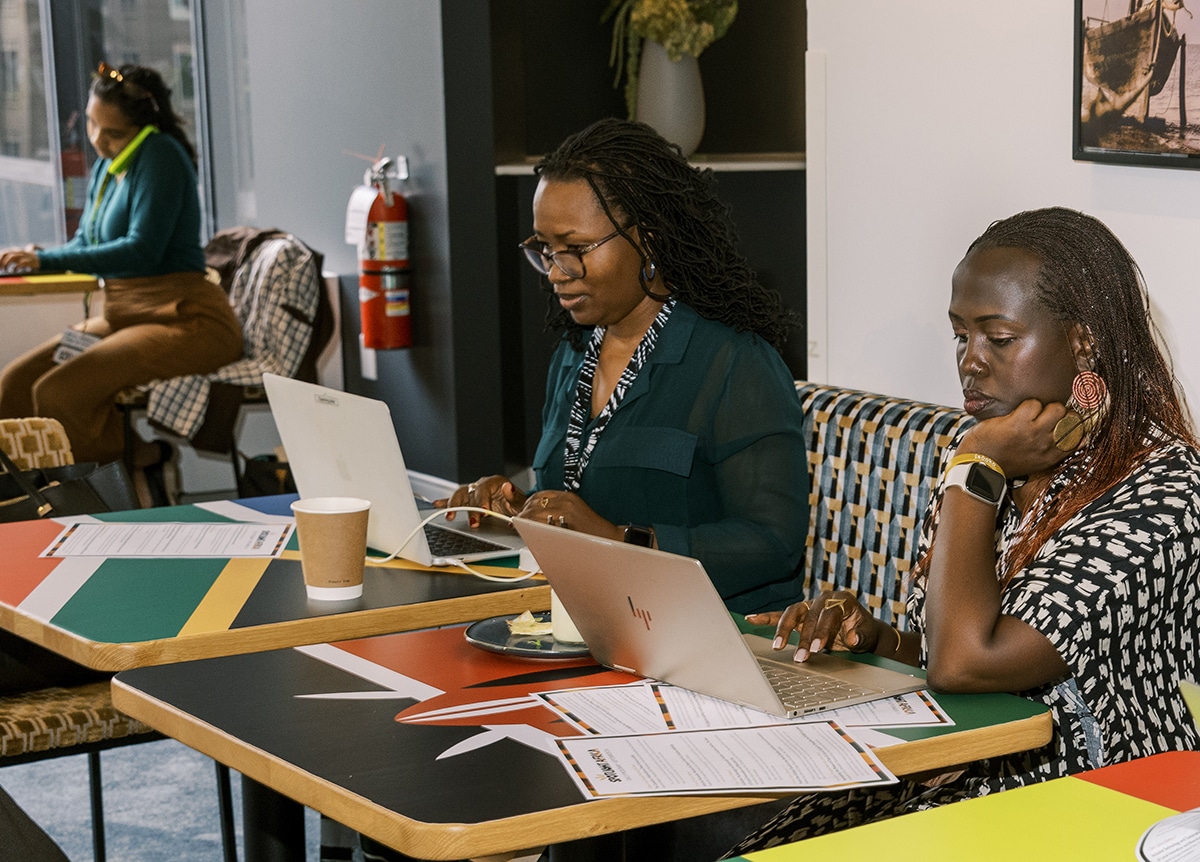
As Jackie Odhiambo of Nyanam International puts it, “People fund people they know.” Visibility is valuable, which is where in-person events like Segal Family Foundation’s Spotlight Africa, Skoll World Forum, and Opportunity Collaboration shine. A multitude of international conferences are held in North America and Europe, and these are the spaces where the seeds are planted for relationships to grow and funding decisions to be made. “These [spaces] are so far away and so expensive to get to, and the visa situation is difficult,” Florence Namaganda of Mukisa Foundation observes – as a result, African organization leaders are missing out. “The initial funding is almost always about who knows you. Local entrepreneurs struggle for not being exposed to these kinds of networks,” Odhiambo adds. As it is, prospective attendees from implementing organizations in Africa have to apply for visas months in advance and wait with bated breath; getting the green light to travel is cause for relief and excitement.
Now funders need to reconsider where they convene and how. In response to Benge’s post, former Segal Family Foundation board member Antoine Chiquet points out a silver lining: “US foundations and orgs [sic] will now have to go more often to Africa (or have their own staff on the ground) and organize networking events and conferences there,” adding that visiting in person will allow for more efficient due diligence.
For those funders who support African organizations, it’s time to really walk the talk. Benge, the founder of Fundi Bots (and a Segal board member), urges that this pivot must be nimble à la COVID: funders need to lean into trust-based grantmaking and accelerate decisionmaking, as well as localization by having team members physically present in African countries. Donors looking to better their giving practices should collaborate with longtime Africa-centric funders like Segal Family Foundation. Thus far, the burden of traveling to seek funding has been on African organization leaders; Chiquet posits that this necessitated shift may well bring about some fairness. Not only will it make participation possible for local leaders, but the host country’s economy also stands to benefit. In 2023, Segal Family Foundation hosted a 600-person annual meeting in Kigali, Rwanda; coming to Nairobi this July is our 20th anniversary gathering that stands to be even bigger. We will be convening our fellow funders for a donor salon and curating connections between our grantee partners and donor peers, modelling best convening practices as the philanthropic world starts figuring out how to navigate these heightened obstacles.