We’ve Been Here Before
A new strain of Ebola virus has been causing hundreds of deaths in eastern Democratic Republic of Congo (DRC) and, to a significantly lesser degree, neighboring Uganda. The déjà vu is strong as borders have now been closed and screening measures introduced for international travellers, necessary moves that harken back to the dark period of the COVID-19 pandemic. In times like these, organizations closest to the chaos prove particularly critical as the ones who are able to nimbly respond to local needs – and who have crucial staying power.
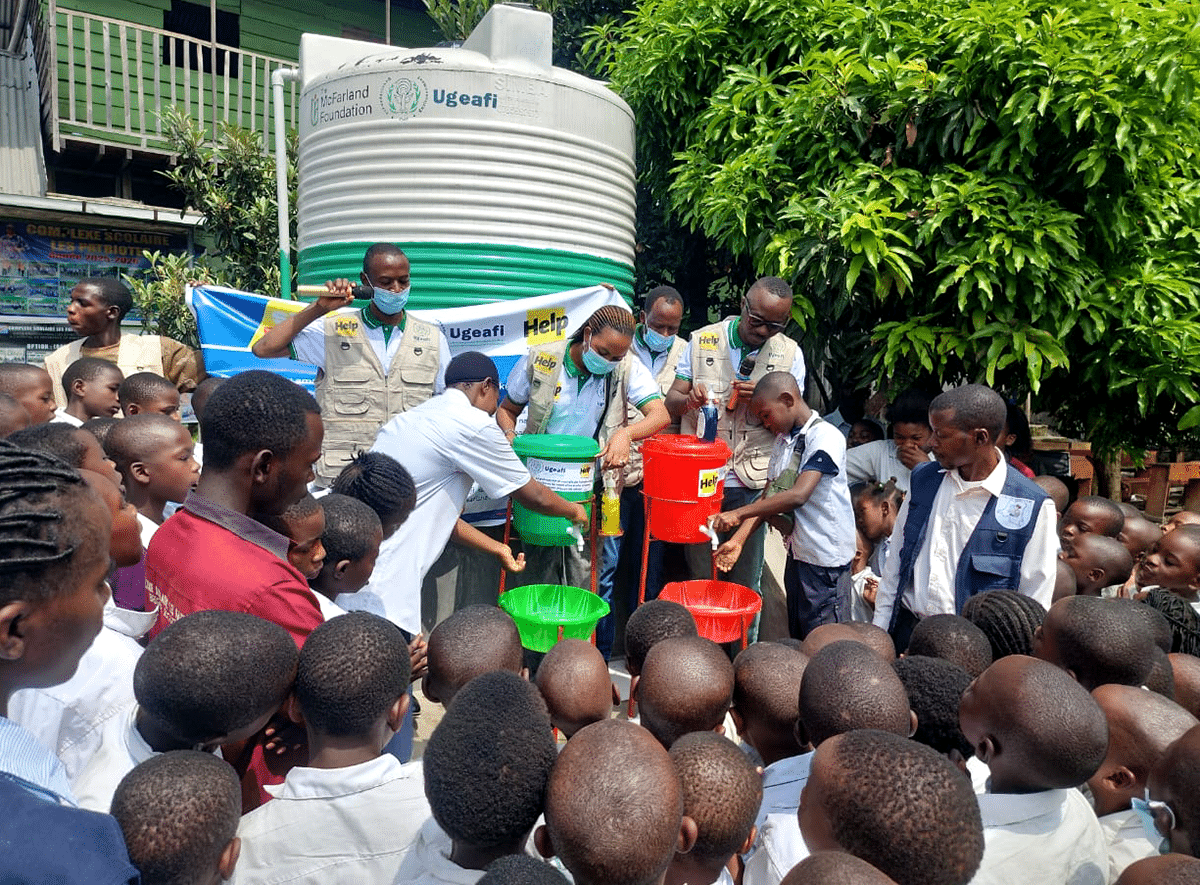
Within our Segal Family Foundation community, we have developed unique ways of being ready to spring into action when emergencies arise. This savvy was acquired during the 2015 national upheaval in Burundi, strengthened during the global COVID-19 pandemic, and is once again being deployed during this regional Ebola epidemic. Grantee partners like UGEAFI (which has been operating since 1990) are doing critical awareness work in the Ituri and Goma areas of DRC, while St. Francis Health Care and other Ugandan organizations are staying alert to keep the spread at bay within the communities they serve. “In Ituri, we are working with churches to sensitize the public, as religious leaders are strongly influential and the people listen to them,” UGEAFI founder Naum Butoto explains.
Over in Burundi, Village Health Works (VHW) is also on standby with a large teaching hospital and an outpatient clinic that sees 200 consultations daily from as far away as neighbouring countries. Founder Deogratias Niyizonkiza describes the current situation as “another reminder of how such outbreaks and pandemics are never going to be contained by medical evacuations to different countries and quarantines, but by building and strengthening modern, equitable health care systems.” Much of VHW’s strongest work happens at the gate and in the villages: screening patients at the point of care, using the updated WHO case definition, and isolating suspected cases while they await evaluation. They do this knowing that most will turn out not to have Ebola, and are glad for the false alarms. VHW says in a statement, “To date we have received no cases, and we remain on high alert. The capacity to respond to Ebola is the same capacity that lets us respond to a cholera or measles outbreak, or to a maternal emergency at midnight. When we strengthen the system, we protect this community against not one threat, but all of them.”
Segal supports local partner organizations with rapid response grants, coalition funding in collaboration with peer donors, as well as adjusted reporting requirements to ease stress as grantees focus on work; we invite fellow funders to consider adopting similar measures. (This invitation also extends to private givers wanting to direct dollars towards local organizations, as there are avenues like The Multiplier.) Crises come and go, but the work our grantee partners do is evergreen. Ebola is here now and we don’t know what else will come down the line, but what we do know for sure is that the roots of truly local organizations cannot be shaken. Let’s water them together.
Featured image: UGEAFI staff conducting a hand hygiene demonstration at a school in Goma, DRC. Schools remain open as the Ebola situation is monitored.